
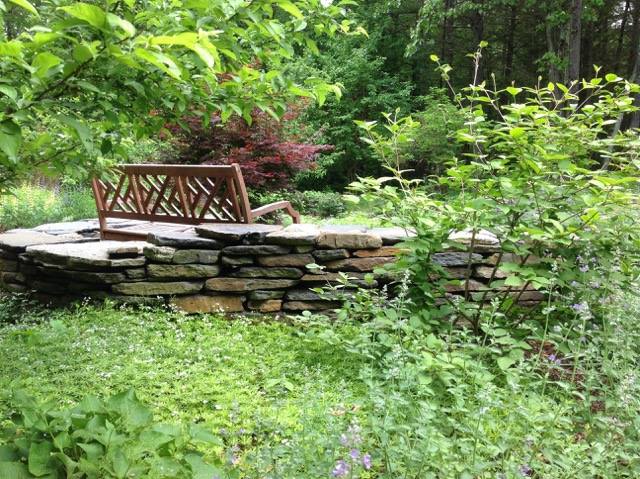
Japanese knotweed is hard to control. For this project, Hilltown Tree & Garden used a two-year plan. The work cleared more than 10,000 square feet. We then turned the site into a useful garden.
The challenge: a large knotweed site
Japanese knotweed covered more than 10,000 square feet. It spreads fast through roots under the soil. Cutting the top growth will not solve that problem. The large site needed a clear plan, repeat checks, and more than one method.
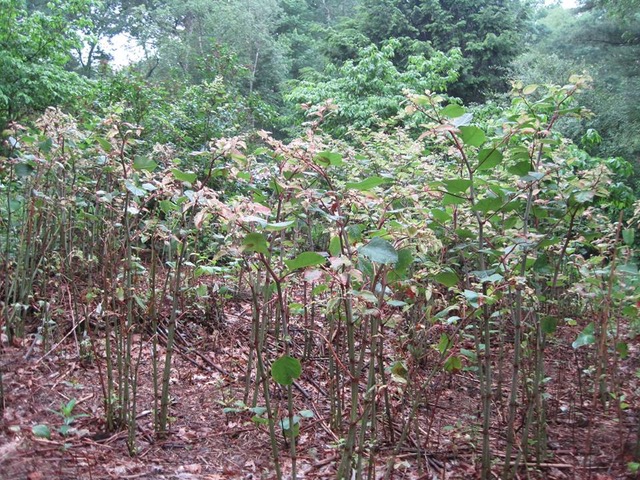

A two-year control plan
Jim McSweeney is a Massachusetts Licensed Pesticide Applicator. Our team uses Integrated Vegetation Management. This approach combines several tools and treats chemical control as a last step. We choose each method based on the site, target plant, nearby gardens, and future use.
The work took two years. We weakened the knotweed, watched for new growth, and kept it from taking back the site. This steady follow-up was a key part of the plan.
The result: a new garden
After the knotweed was gone, we built a garden in its place. The work added Goshen stone paths, walls, and a sitting area. We also planted flowers, trees, and shrubs. The new design made the site useful, varied, and inviting.
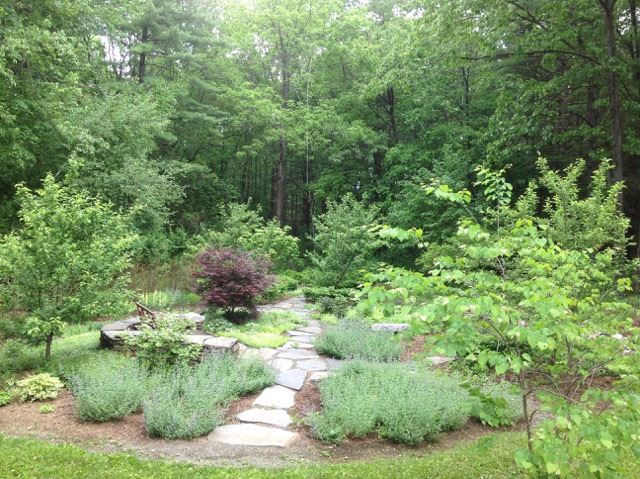
Plan the next use from the start
Good invasive plant control should include a plan for the cleared land. Our landscape design and installation work can help protect the site and make later checks easier. For large properties, forest and meadow reclamation can link plant control with trails, meadows, habitat, or stone walls.
Need help with Japanese knotweed?
Contact Hilltown Tree & Garden to plan an on-site visit. We can review the problem, explain the time and methods involved, and build a plan for control and repair.
